
1xbet deposits and withdrawals are managed through the cashier of a registered account. The platform works with more than 250 payment systems, but access to each option depends on the account region and currency. Before confirming an operation, the user can review the applicable transaction range, possible provider charges and verification conditions. This information helps select a suitable method and avoid errors caused by incompatible payment details.
Available Payment Methods
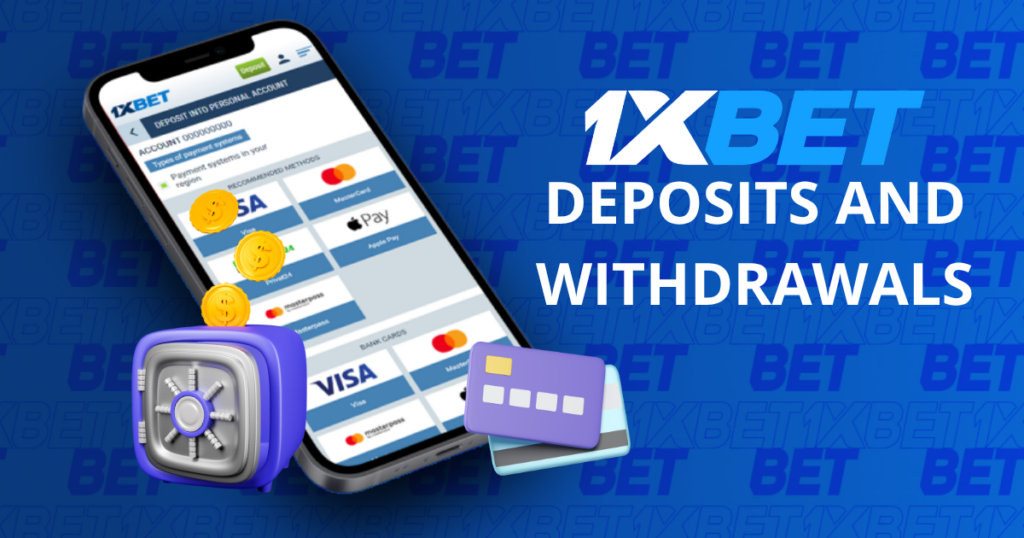
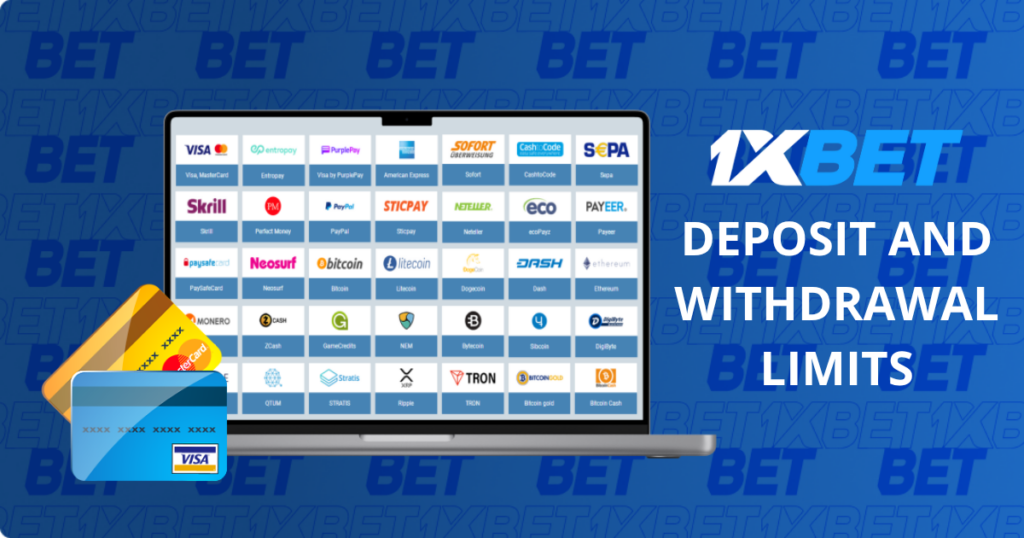
The 1xbet cashier may provide bank cards, electronic wallets, bank transfers and cryptocurrency payments. Credit cards can also appear among the available options. The final selection is generated for each account according to local provider coverage, account currency and regulatory conditions.
| Payment category | Typical use | Points to check |
| Bank cards | Direct balance funding and eligible payouts | Cardholder name and issuer restrictions |
| E-wallets | Transactions through a digital wallet | Wallet status and accepted currency |
| Bank transfers | Payments through a financial institution | Bank requirements and transfer references |
| Cryptocurrency | Transfers from a compatible crypto wallet | Selected network and destination address |
Before choosing a service, the account holder should confirm:
- support for the required transaction type;
- compatibility with the account currency;
- the permitted payment range;
- charges added by an external provider;
- ownership or identity checks.
Some options process deposits only. In that case, the withdrawal page presents an eligible alternative after any required verification has been completed.
How to Deposit Funds at 1xbet
A deposit adds funds to the betting balance through one of the services displayed in the cashier. The procedure begins after authorization in the registered profile. An option used by one account may be unavailable to another because payment coverage changes according to location, currency and provider requirements.
The standard deposit procedure includes these steps:
- The user signs in to the registered 1xbet account.
- The deposit page is opened through the cashier.
- A suitable card, wallet, bank service or cryptocurrency is selected.
- The required amount is entered within the permitted range.
- Payment information is reviewed for typing errors.
- The operation is approved through the provider’s security screen when requested.
- The transaction history is checked for its final status.
A method may require a minimum payment that differs from the platform’s lowest starting value. It can also impose a separate maximum, restrict particular currencies or request additional authorization. All applicable figures are presented on the selected payment form.
Five details require attention before submission:
- The profile name must correspond with the payment owner’s details.
- Both systems must accept the selected currency.
- The payment must remain within the stated boundaries.
- The card or wallet must contain enough funds.
- The payment instrument must be active during authorization.
An operation can fail when a card issuer restricts gambling payments or the provider rejects the security check. An incorrect expiry date, insufficient wallet balance or unsupported currency may produce the same result. Several consecutive attempts with unchanged details can lead to a temporary restriction, so the original reason should be identified before the payment is repeated.
A completed provider charge without a corresponding balance update requires a different approach. Transaction history should first be refreshed to determine whether the operation is pending or successful. A pending status means that final confirmation has not yet reached the betting account.
If the status does not change, the user should prepare:
- the transaction reference;
- the exact amount;
- the date and time of payment;
- a receipt showing the completed charge;
- the name of the selected service.
These records allow 24/7 support to trace the transfer. A second deposit should not be made while the first operation remains unresolved, as two successful charges may eventually reach the balance.
How to Withdraw Funds
A withdrawal transfers an available balance to an eligible payment account. The original deposit method is generally selected if it supports payouts. Using the same payment source helps establish ownership and can reduce the need for further checks.
The usual sequence is:
- The user opens the withdrawal page.
- An eligible payment service is selected.
- The destination details and amount are entered.
- Requested identity checks are completed.
- The request is submitted and tracked in transaction history.
Only the withdrawable balance can be requested. Funds connected to an active bonus may remain unavailable until its conditions are fulfilled or the bonus is cancelled under the applicable rules.
A payout request can be declined because of an incorrect wallet address, expired card or difference between profile and payment data. Cryptocurrency transfers also require the correct network. Since a completed blockchain transaction normally cannot be reversed, every character in the destination address should be checked before submission.
Deposit and Withdrawal Limits
Transaction limits differ between supported systems. Each provider may establish its own minimum, maximum and currency conditions. Values displayed for the chosen service take priority because they reflect the current account settings.
| Transaction | Lowest stated starting value | Factors affecting the final limit |
| Deposit | From $1 | Provider, currency and payment channel |
| Withdrawal | From $1.50 | Provider, available balance and verification |
These starting figures do not represent one fixed threshold for every account. A specific service may require a larger operation. Providers may also impose limits per transaction or during a defined period.
Three points should be reviewed before submission: the permitted range, accepted currency and final payable amount. A request outside the available boundaries is usually blocked by the form. Dividing a large payment into several smaller operations may not solve the issue because cumulative provider restrictions can still apply.
Common Payment Issues
Payment problems are commonly connected with incorrect details, provider controls or unfinished account verification. The transaction status and error message should be examined before another operation is created.
Typical situations include:
- incorrect card or wallet information;
- missing final confirmation from the provider;
- a difference between account and payment-owner data;
- an amount outside the permitted range;
- a deposit-only method selected for a payout;
- an operation held for an identity check.
For an uncredited payment, the transaction reference and receipt should be retained. A screenshot can provide additional evidence when the history page contains limited details.
Unresolved cases can be submitted to 24/7 support with the amount, service name, operation time and reference number. Sensitive information is not required for investigation. Full card numbers, account passwords, one-time security codes and wallet recovery phrases must not be shared with support or any third party.